Centre For Teaching and Learning of Mathematics 

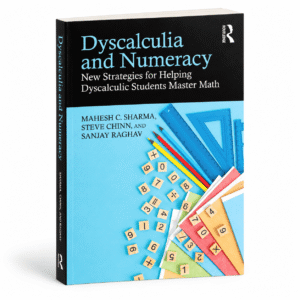
Dyscalculia and Numeracy

New strategies for Helping Dyscalculic and Non Dyscalculic children Master Numeracy 

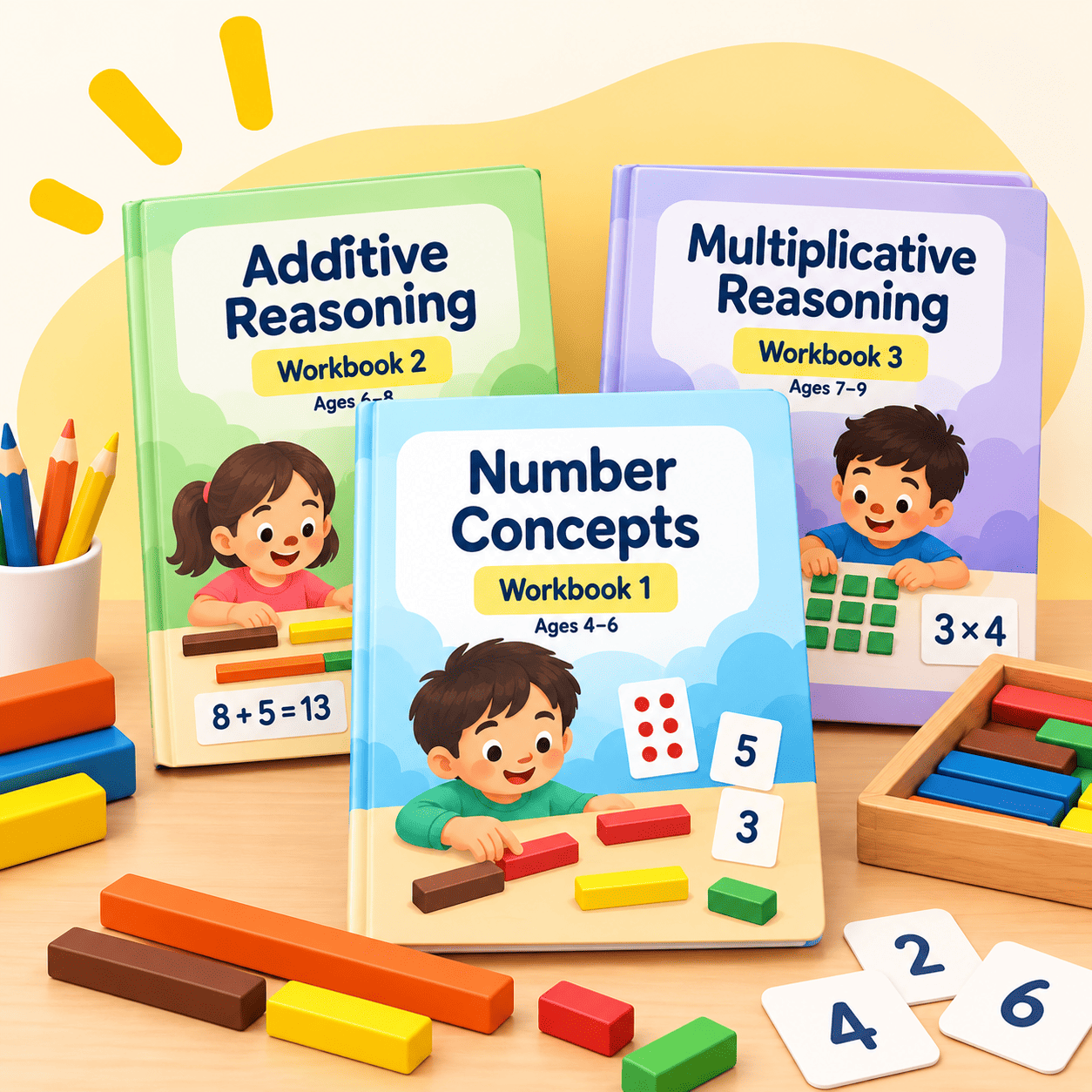
As we expect every child to read fluently, with comprehension, by the end of third grade, we should expect and work diligently with the goal that every child has mastery of numeracy, with understanding, by the end of fourth grade. With proper mastery of numeracy, they can learn mathematics easily, effectively, and efficiently. They will, then, appreciate the reach, power, and beauty of mathematics. Early mathematics is about number concept, numbersense and building the brain for numeracy and beyond. It is all about how we make it easier for students to understand and communicate it. Through a systematic way of learning, practicing, and applying knowledge about the number concept, numbersense, numeracy, and mathematical way of thinking children have access to higher mathematics.

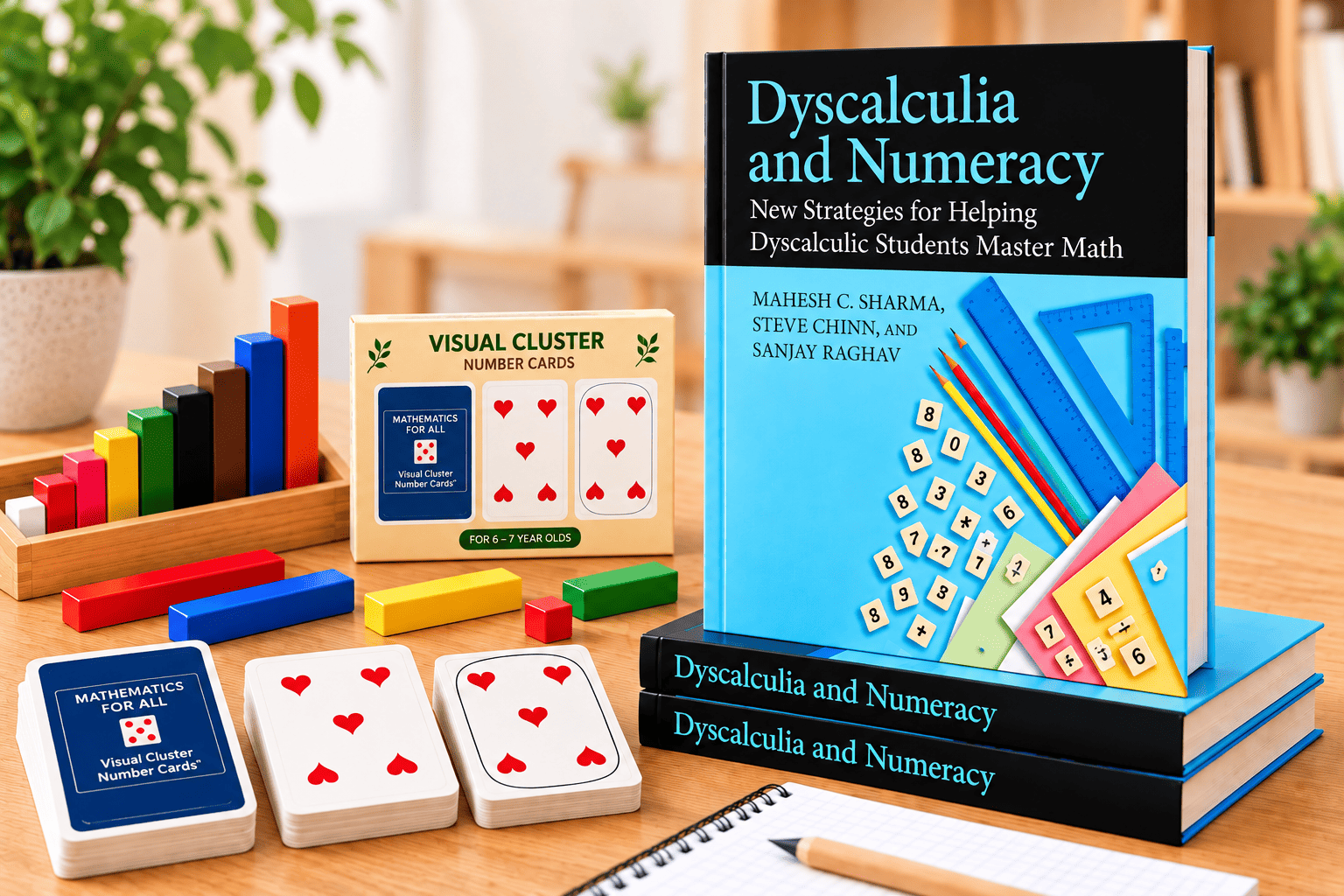
Books

Test

Digital Resources

Test

Courses for children

Courses for Children

Test

Courses for Educators

Test

CTLM CPVA/S method section (preview)

Centre for Teaching-Learning of Mathematics

How we teach mathematics: the CPVA/S method

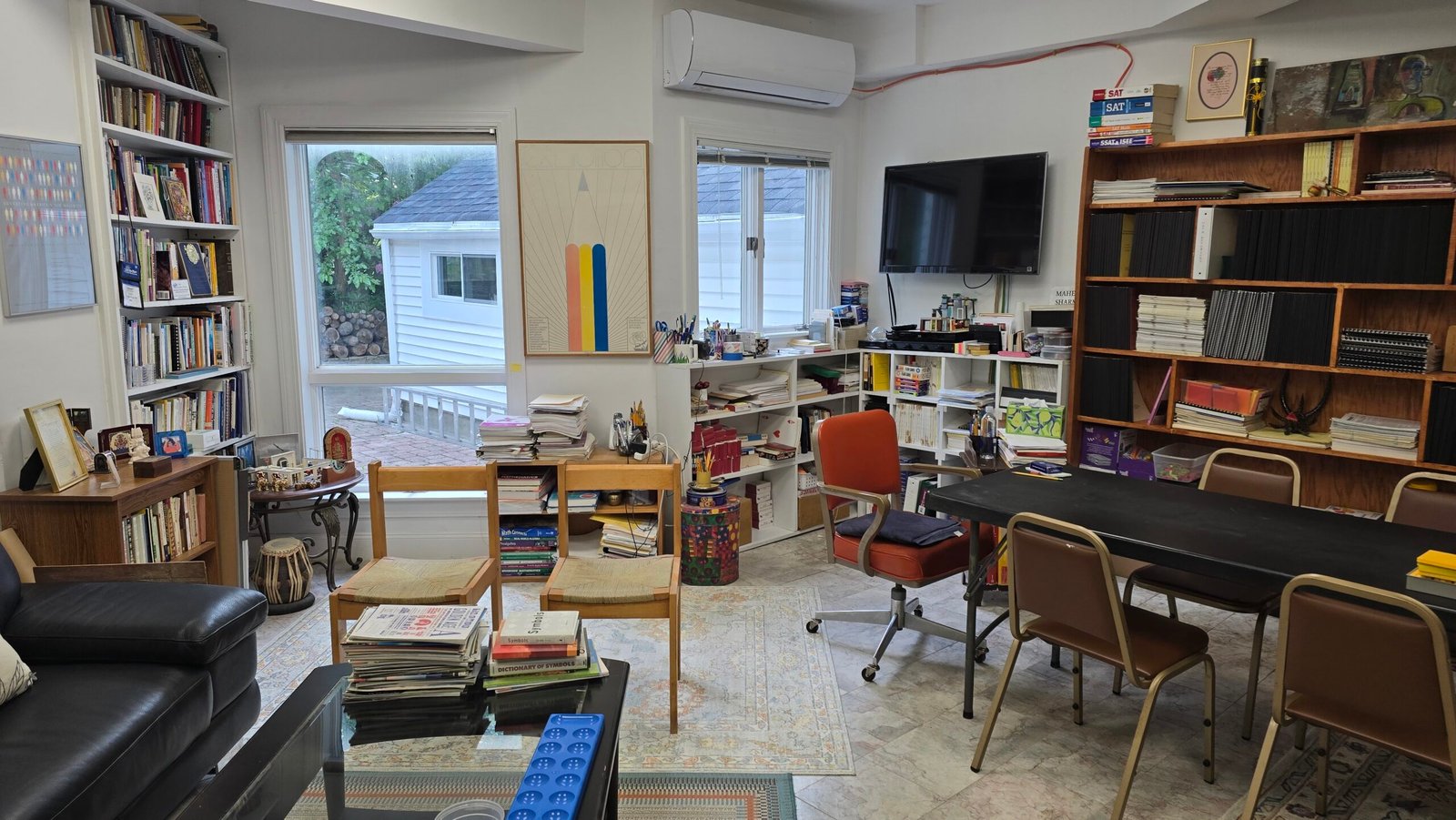
CTLM was founded by Professor Mahesh Sharma in Framingham, Massachusetts, with offices in England and India. We develop and promote efficient, elegant and effective ways of teaching and learning mathematics, from early childhood to high school and teacher training.

Concrete, Pictorial, Visualization, Abstract/Symbolic

The CPVA/S method differs from the conventional CPA approach in one step: visualization, the bridge between a picture on paper and a symbol in the mind. Follow one number through all four stages.

Follow a different number

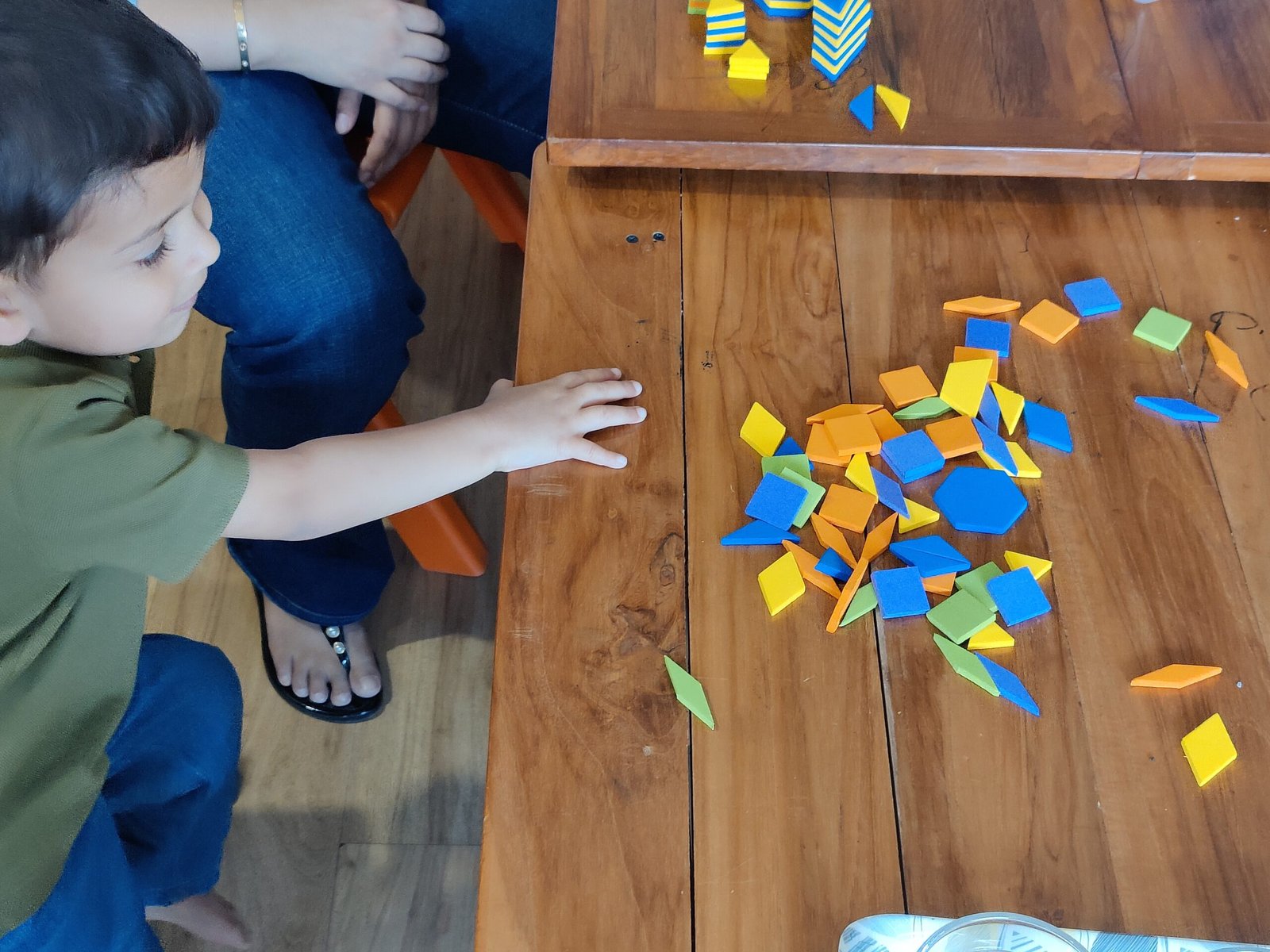
Every lesson is planned so that students meet a concept at six levels of knowing.
  1. 1Intuitive
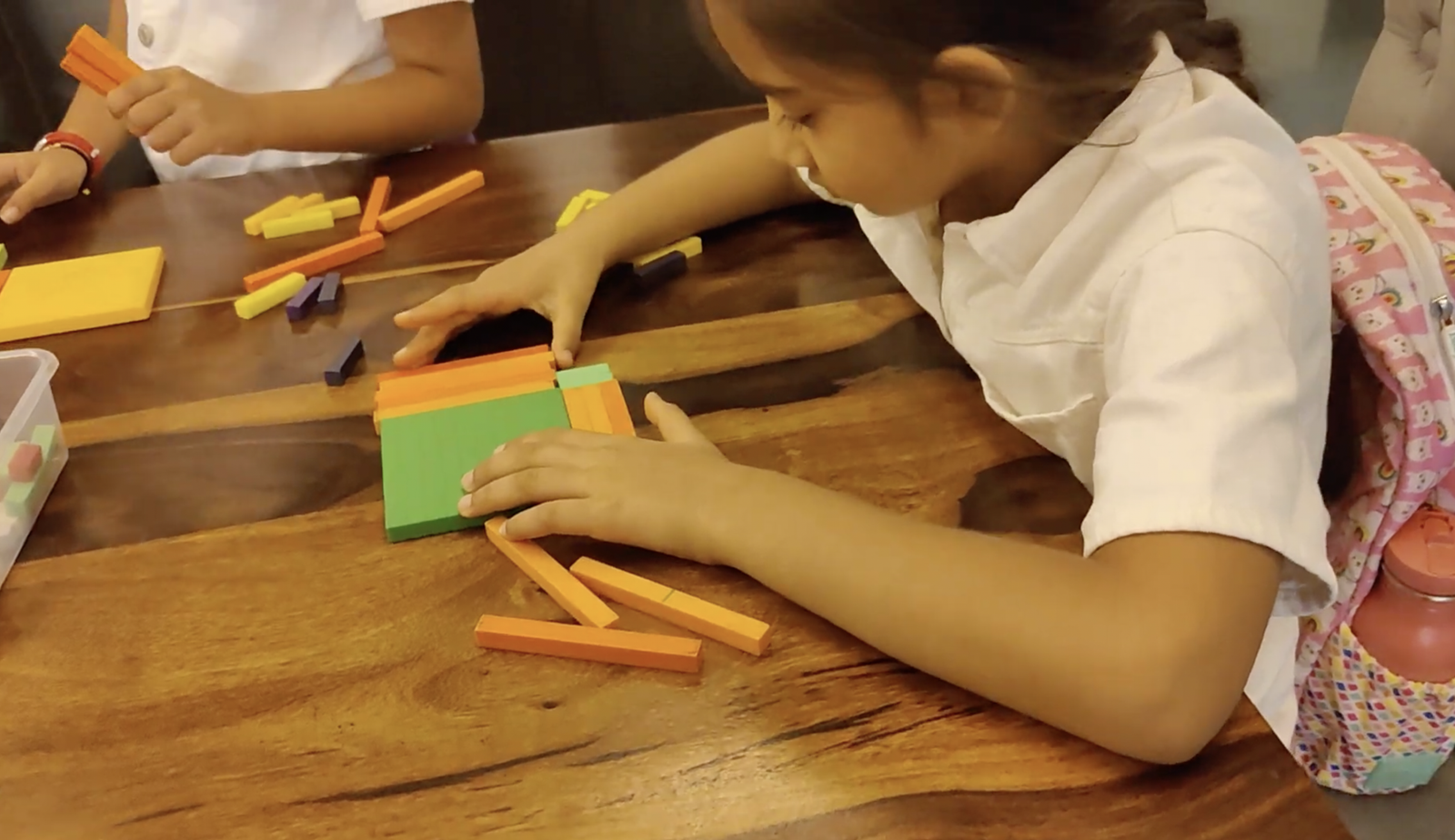
  2. 2Concrete
  3. 3Pictorial
  4. 4Abstract and symbolic
  5. 5Applications
  6. 6Communication

Ninety percent of students who have difficulty in arithmetic have not conceptualized number concepts. So that is where we begin.

Try the ideas yourself

Four short activities from the way we teach number concept, additive reasoning and multiplication.

See how many, without counting

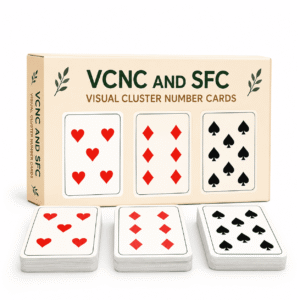
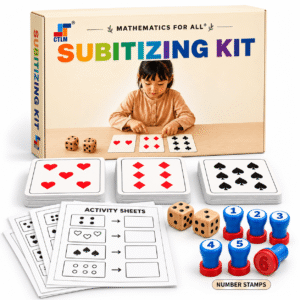
Subitizing is recognising a number at a glance, generally up to 6. Counting one by one is necessary, but it is only decoding. The patterns on our visual cluster cards help children see numbers as groups instead of isolated names.

How many did you see?

The card shows for less than a second.

In a row: 0

The people behind our work

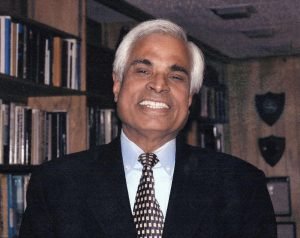
Professor Mahesh Sharma

Professor Mahesh Sharma

Founder, CTLM

Our methods come from his research, from our own teaching, and from observing teachers in classrooms all over the world. He has developed skill mastery instruments that help students reach automaticity with understanding.

Professor Steve Chinn

Professor Steve Chinn

Dyscalculia specialist and author

PhD, PGCE, DipEdMan, AMBDA, FRSA

Steve has worked with students with special educational needs for four decades and was head of three specialist schools, one of which delivered the UK’s first postgraduate course on dyscalculia. His book The Trouble with Maths won a Times Educational Supplement award, and he has lectured in over 30 countries. He was the first Chair of the British Dyslexia Association’s dyscalculia committee and received its Lifetime Achievement Award in 2017.

Sanjay Raghav

Sanjay Raghav

Chief Operating Officer, Mathematics for All, CTLM

MSc in Mathematics and MA in Education. Adjunct faculty at the School of Education Studies, Ambedkar University Delhi, where he teaches Algebra and Geometry. He works with teachers, children and parents to make mathematics better understood.

Renee M. Hamilton-Newman

Renee M. Hamilton-Newman

Founder and President, Dyscalculia.org

M.Ed., M.S. (Special Education)

An educational specialist, author and advocate with more than three decades in special education, educational diagnostics, mathematics intervention and teacher training. Living with dyscalculia herself, she works to identify the cognitive factors behind maths difficulties, such as working memory, visual-spatial processing and mathematical language, rather than blaming intelligence or effort. She credits Professor Sharma with shaping her understanding of dyscalculia during her postgraduate studies. Her books include The Dyscalculia Syndrome (1998) and Math Limits (2014).

Visit dyscalculia.org

Work with us

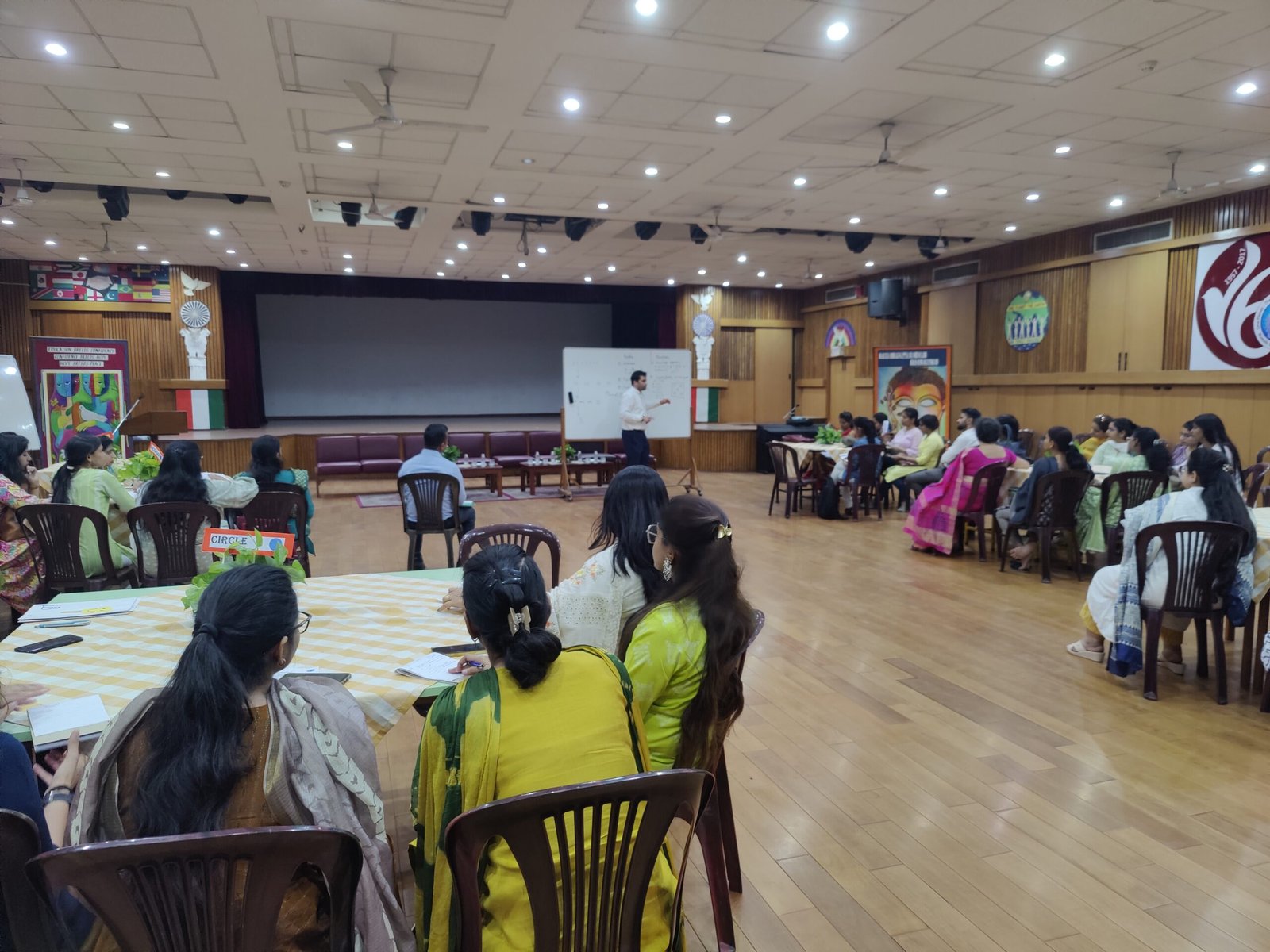
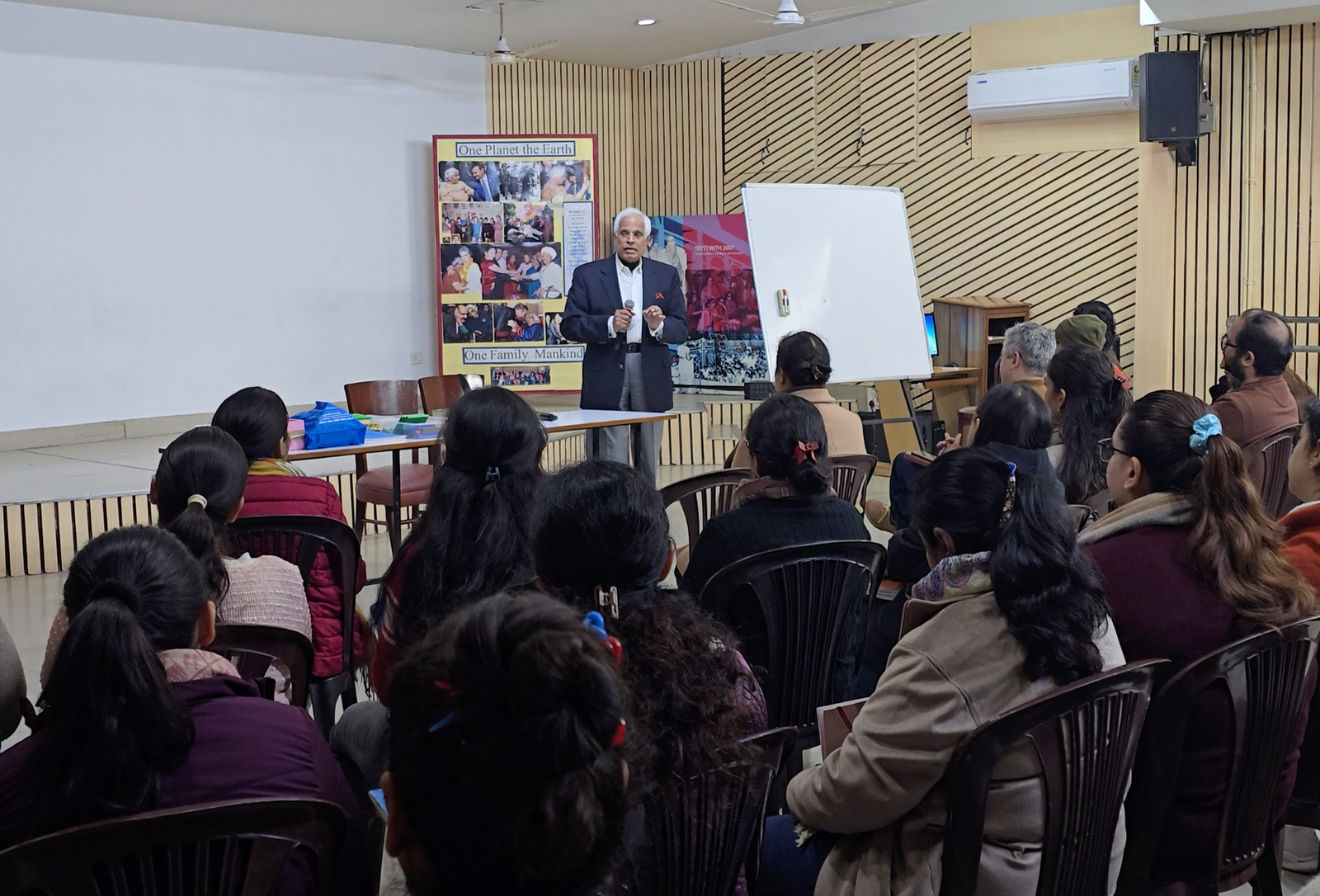
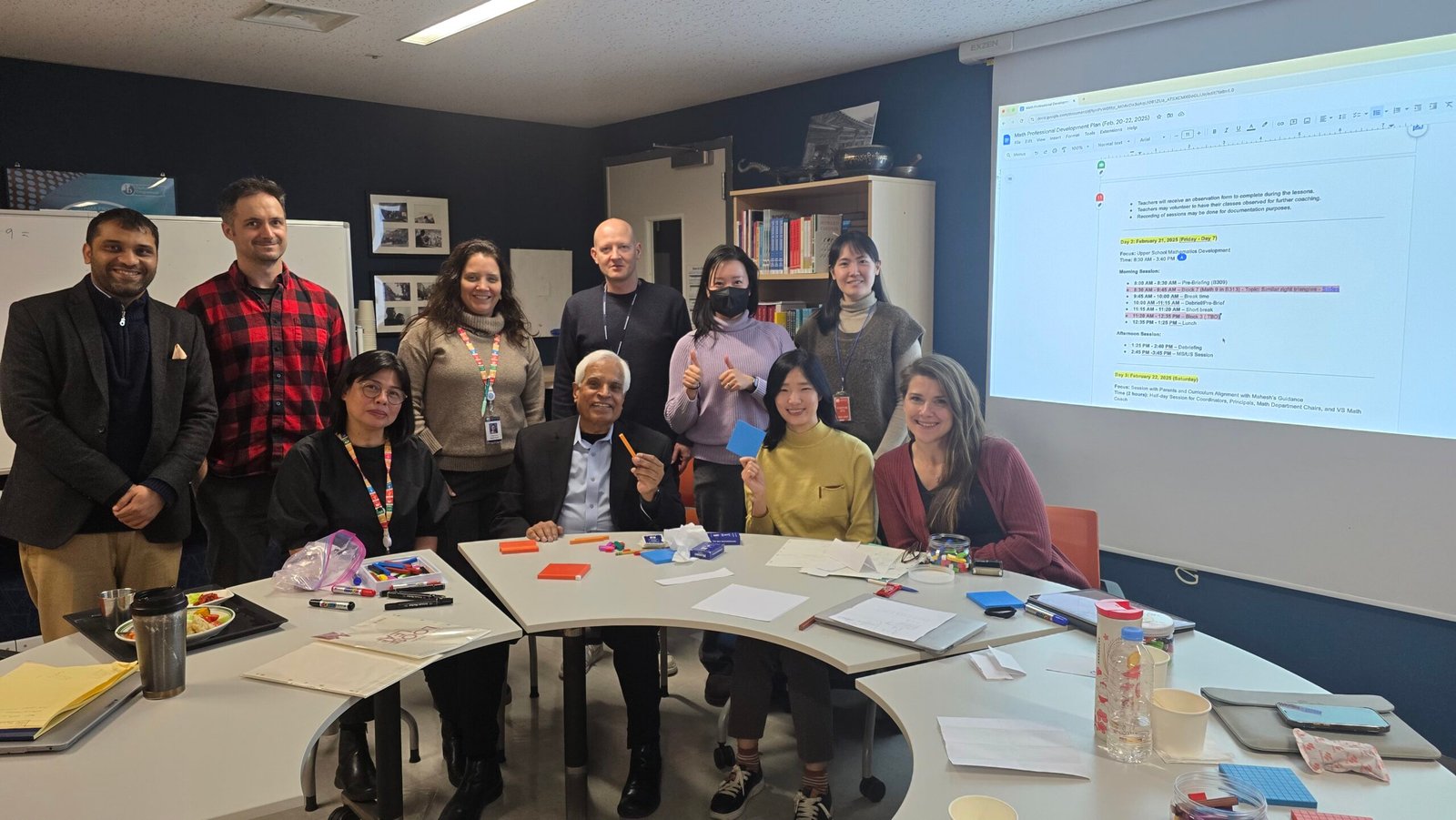
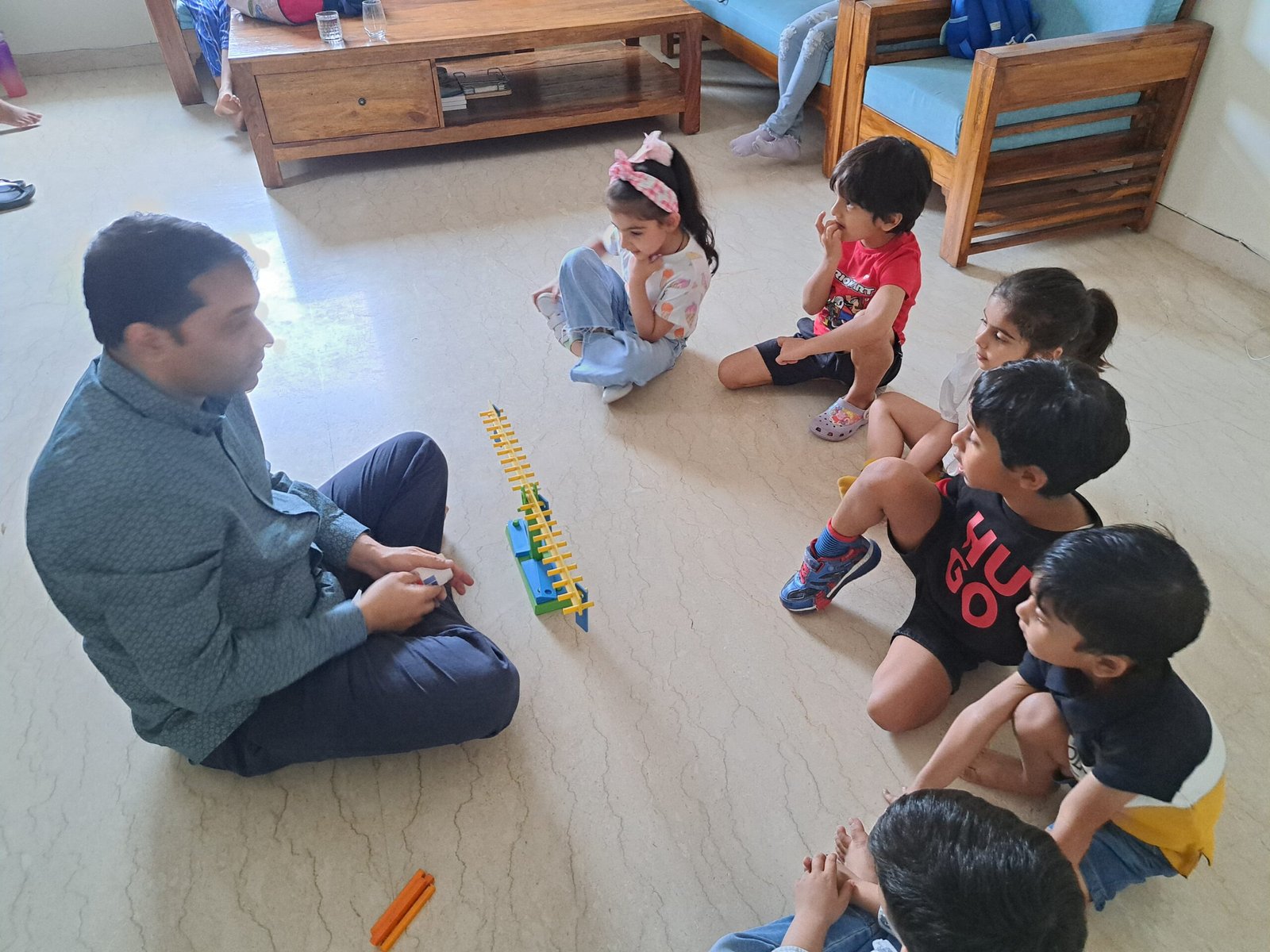
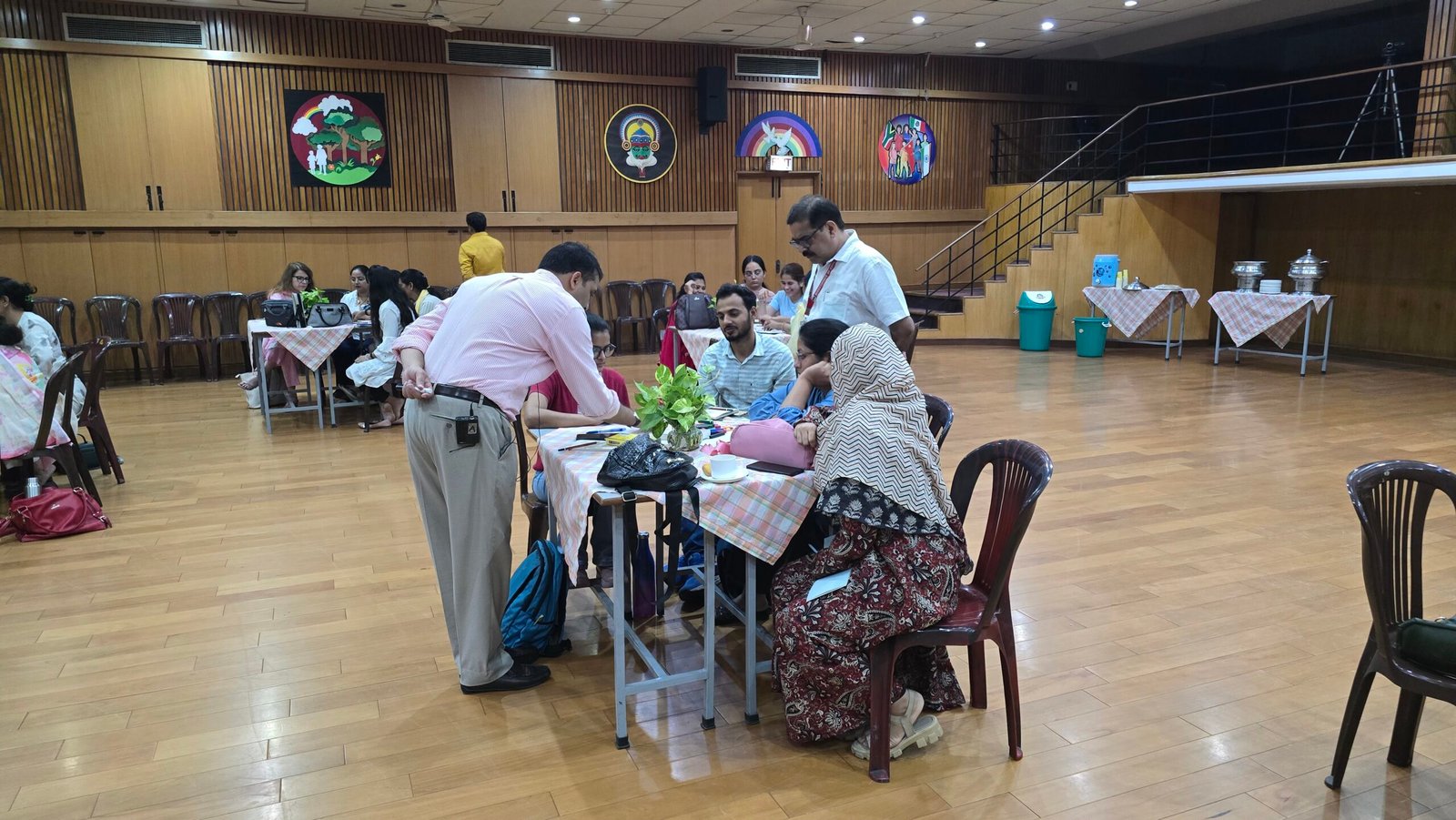
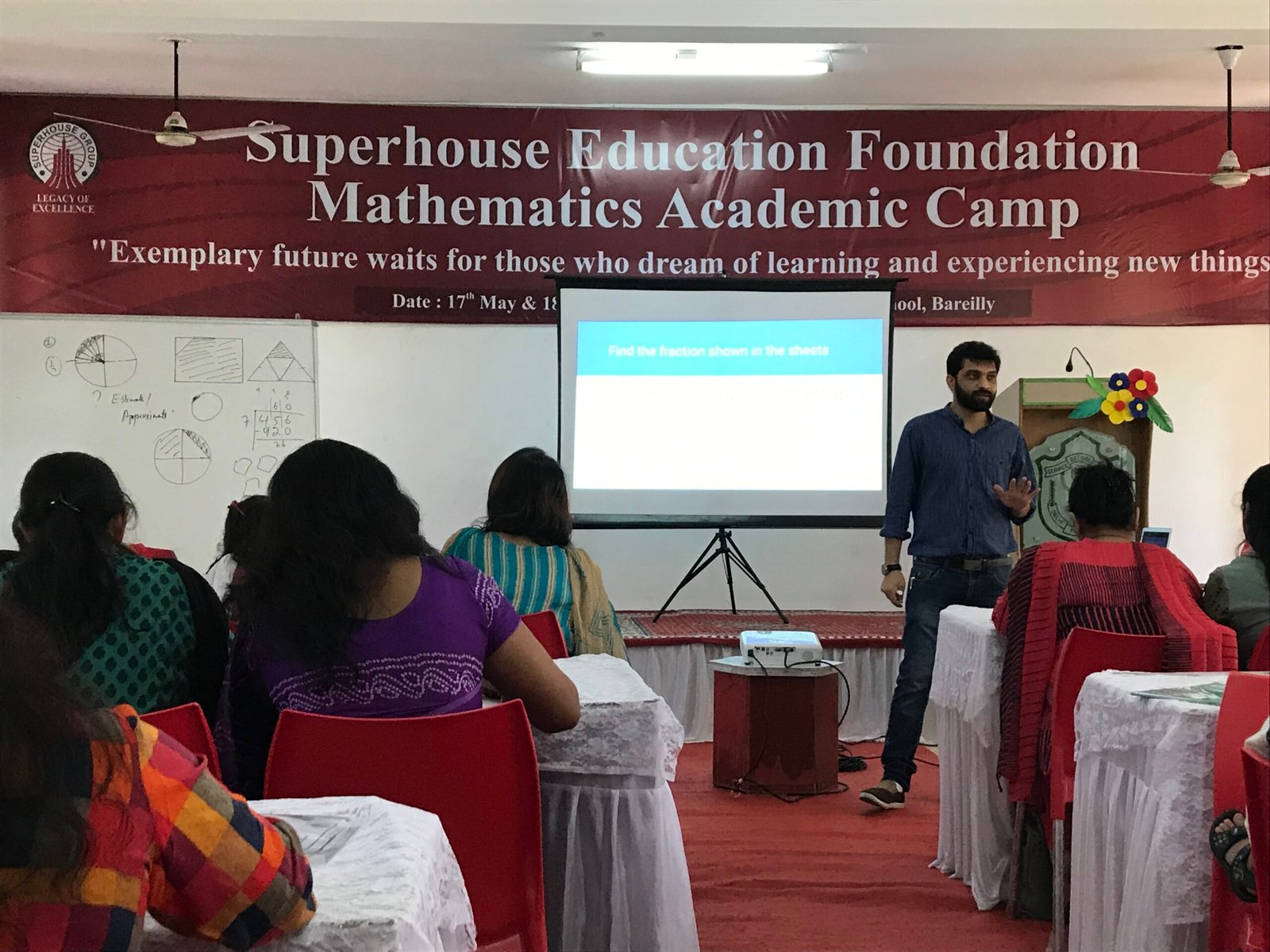
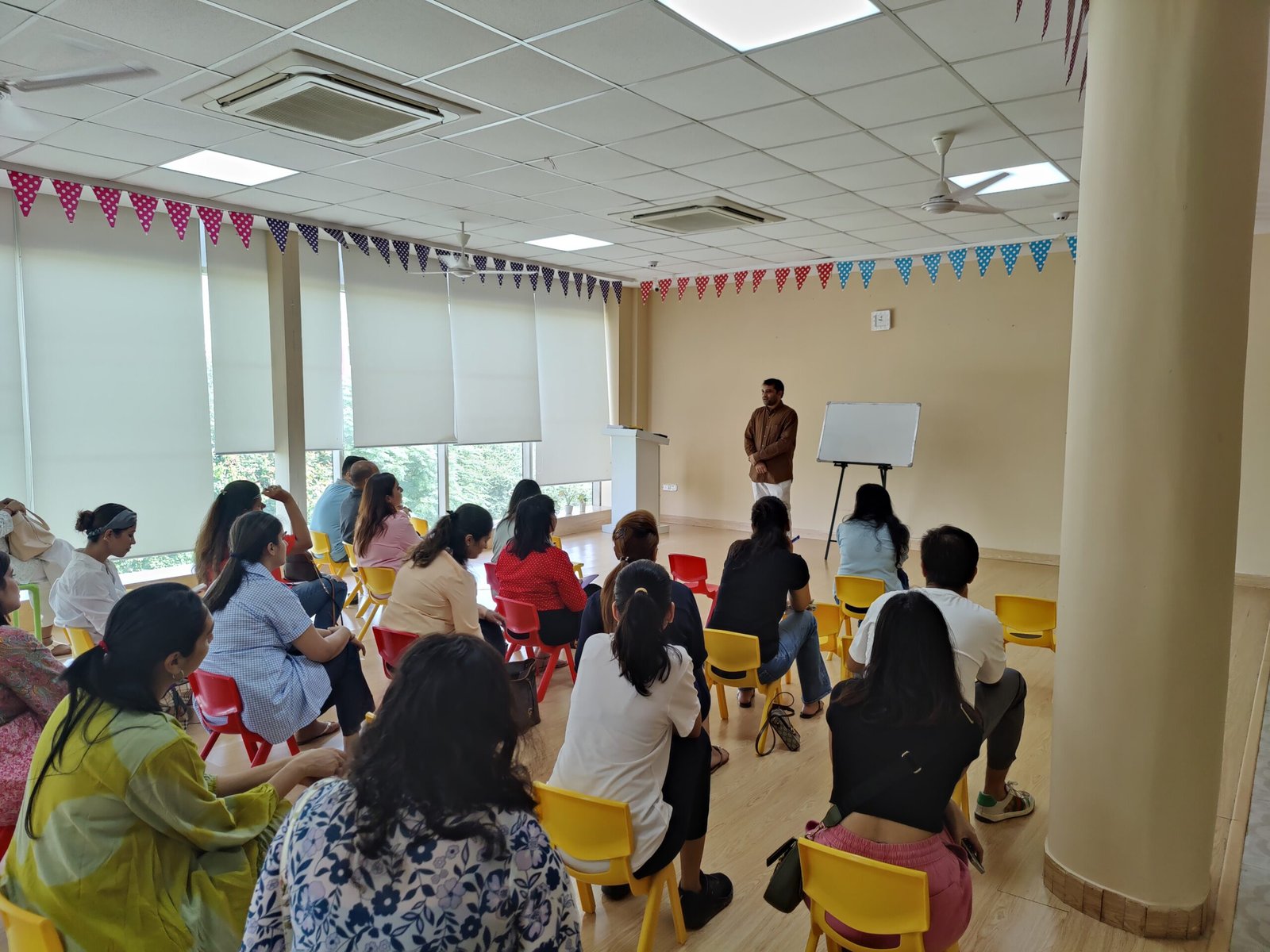
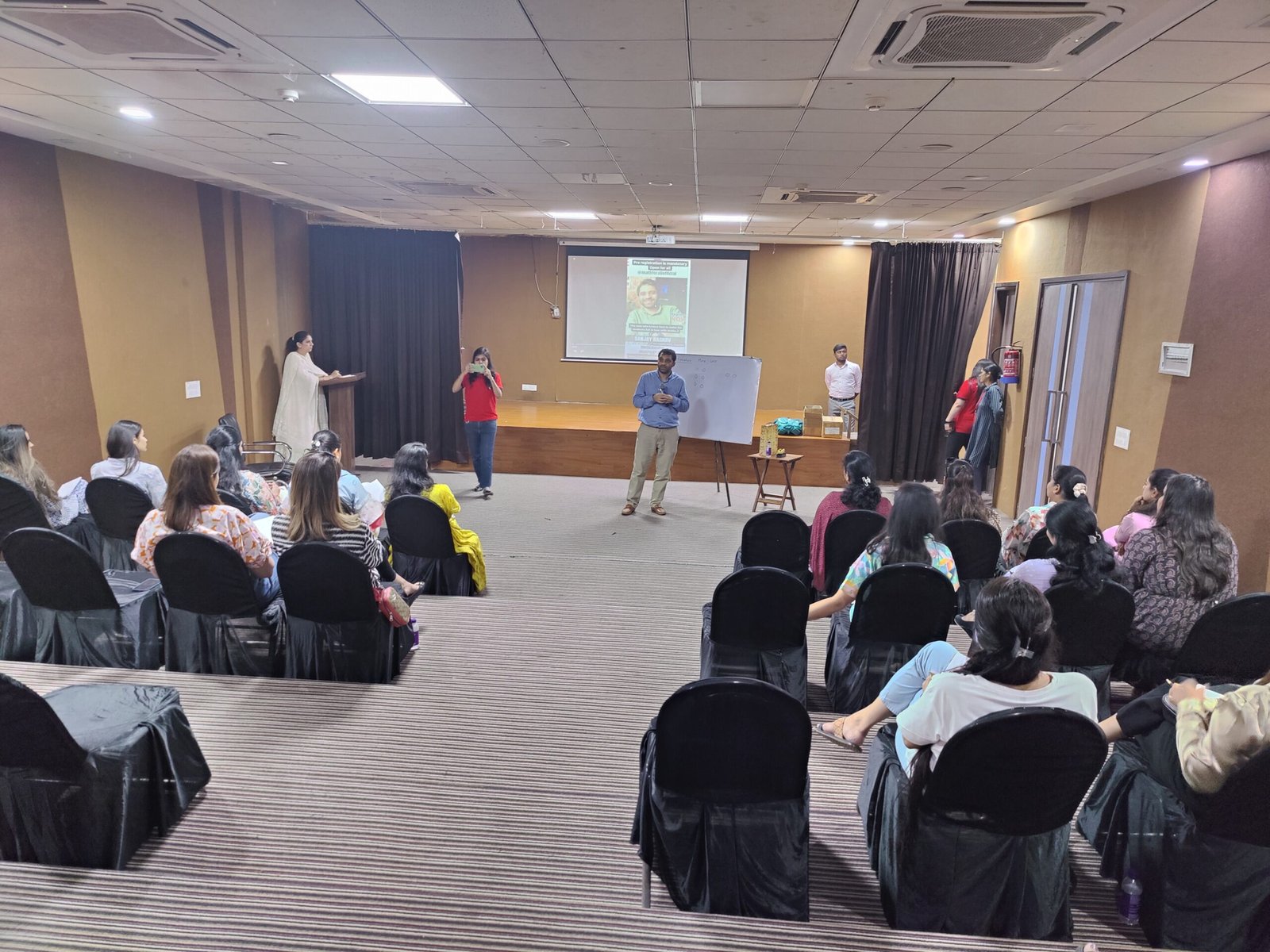
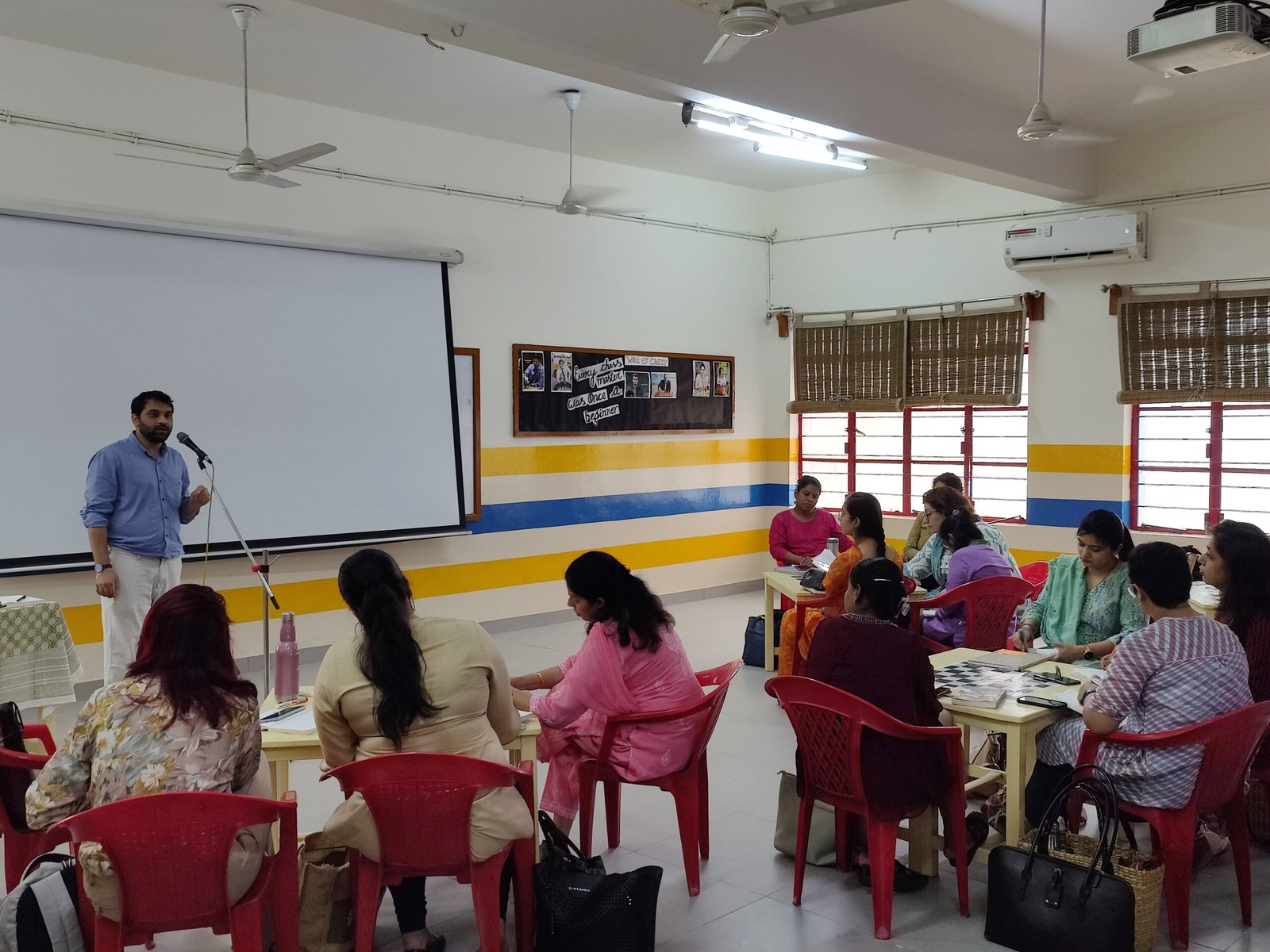
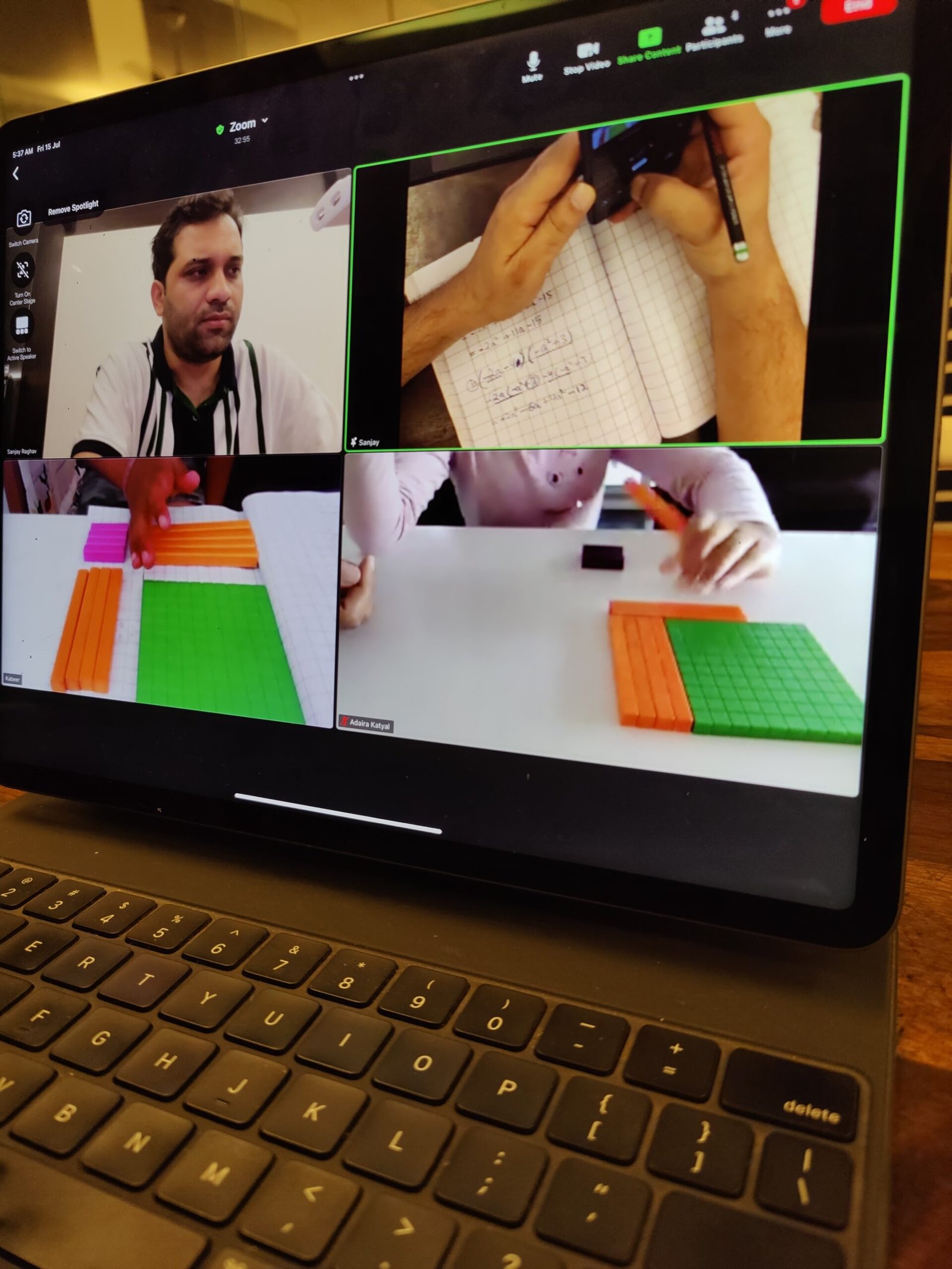
We use these techniques in our courses, workshops, webinars, classroom demonstrations and private tutoring, and have helped thousands of educators, from pre-service to veteran teachers, improve their instruction.

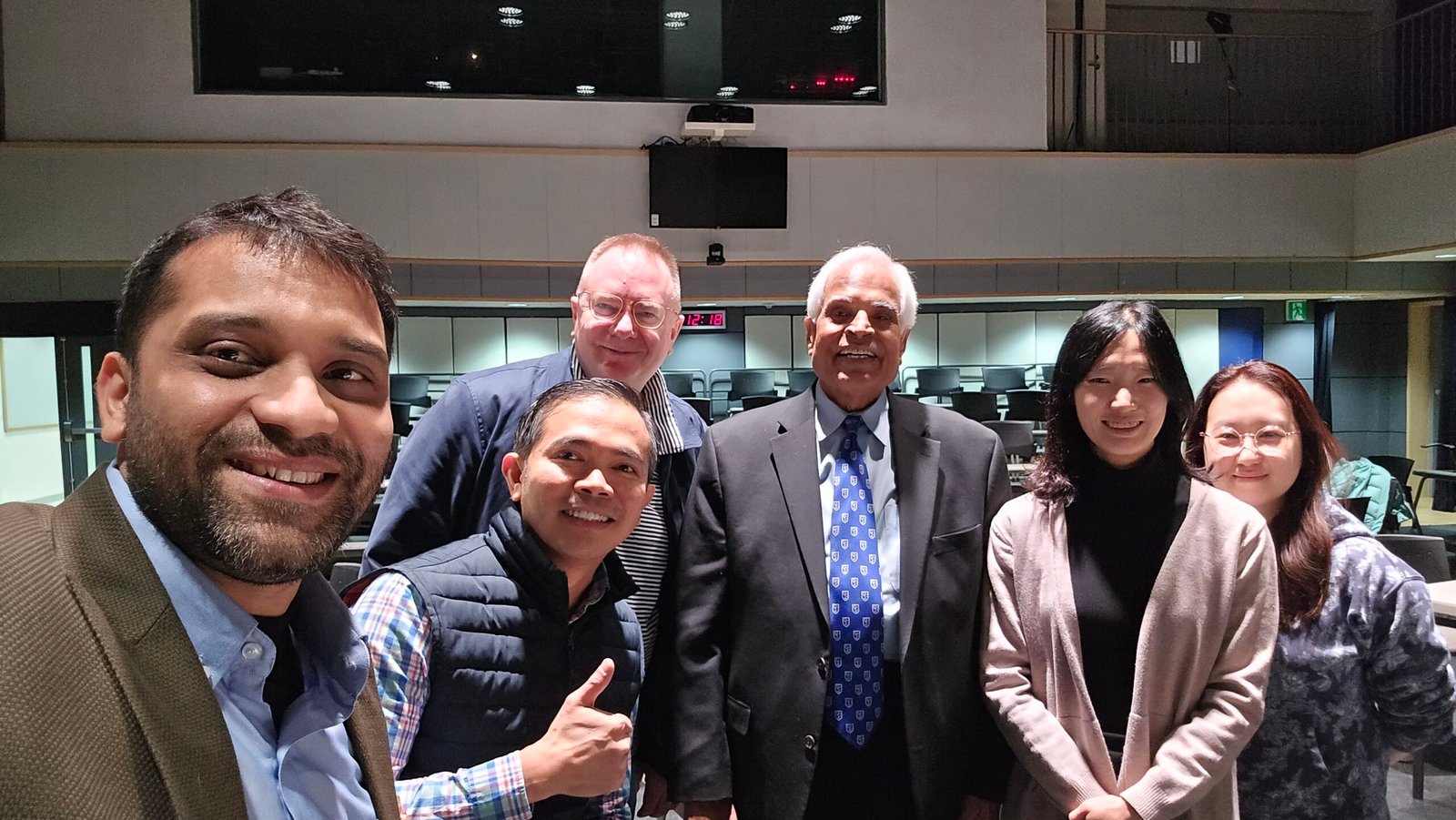
Snippets from our work